
Key takeaways
- Tire pressure is the first check, because pressures that differ from one side to the other make a car drift.
- A pull while you cruise points at the tires, the alignment or a steering part, and a pull only under braking points at the brakes.
- A shop can swap the front tires left to right, and if the pull changes direction the tires are the cause.
- A jolt from a curb or a pothole can put the alignment out and start a new pull.
- A heavy pull can mean the car needs repair, so have it checked as soon as possible.
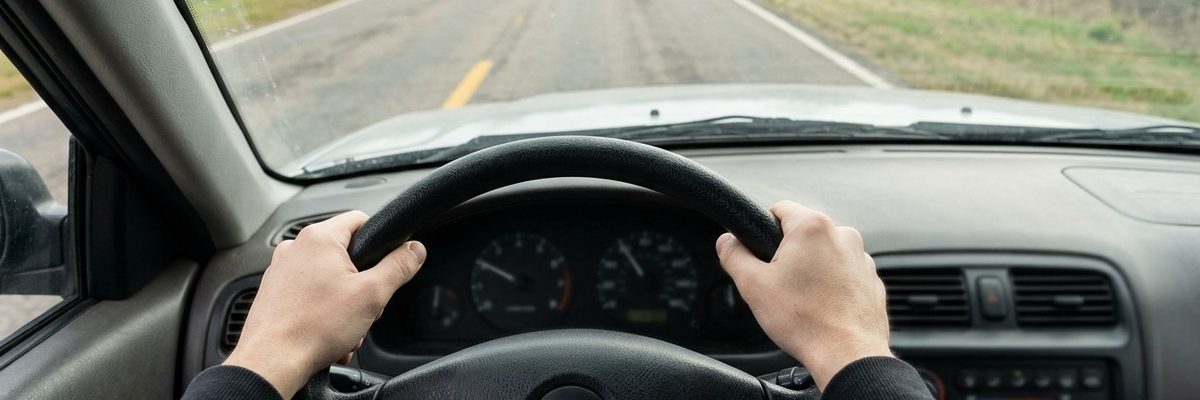
A car that pulls drifts to the right or left when you hold the steering wheel straight on a level road. The side matters less than the moment, because the brakes, the tires and the steering parts each show up differently.
Is it safe to drive a car that pulls to one side?
A heavy pull to one side, on a level road or under braking, means the car may need adjustment or repair, so have it checked as soon as possible, as on the 2018 Toyota Camry. A slight pull is still worth a look, and the tire pressures are the first thing to check.
Stop instead of driving on if:
- A red brake light. If the red brake light stays on with the parking brake fully released, stop somewhere safe and have the car towed.
- A spongy or sinking brake pedal. If the brake pedal feels spongy or soft, or goes down further than normal, have the brakes checked immediately.
- Smoke or a burning smell. If you see smoke or smell burning from under the hood, pull over and switch the engine off as soon as it's safe, and keep the hood shut until the smoke stops.
Wet brakes can pull to one side and may not stop as well. After deep water or a car wash, lightly tap the brake pedal while you keep a safe forward speed until the brakes work normally, as on the 2022 Hyundai Elantra.
Why a car pulls to the right or left
The pull comes from a tire, the alignment, a brake, the steering or the road, and the first four are the ones to check:
- Unequal tire pressure. Pressures that differ from one side to the other make the car drift, so every tire should be at its recommended cold pressure, as on the 2015 Chrysler 200.
- Wheels out of alignment. A jolt from a curb or a pothole can knock the front end out of alignment and make the car pull, as on the 2018 Ford Escape.
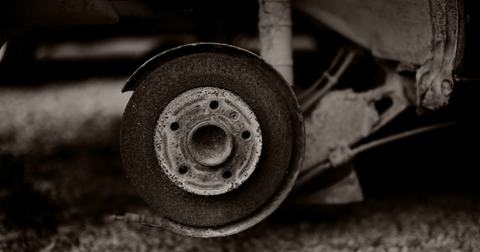
- A dragging brake. A front caliper that doesn't release, the part that squeezes the pads, drags on one side and can make the car pull right or left, as on the 2021 Chevrolet Express.
- Wide, low-profile tires. Some follow grooves and road seams, so the car wanders left or right, as on the 2020 Chevrolet Camaro.
- Worn suspension parts. Worn tie rod ends and loose ball joints can't hold the wheels in alignment, and a worn or collapsed control arm bushing can change the alignment and pull the car. A ball joint that binds can make the car lead after a turn.
- The steering software. On some cars a steering software fault makes it pull, and an update fixes it.
- The road. The slope that drains a road to the side can make a car drift slightly, and on a gentle slope the effect is barely perceptible.
Tire pressure is the cheapest of these to check, so start there before you pay for an alignment. Set every tire to its cold pressure first.
Why does my car pull to one side when I brake?
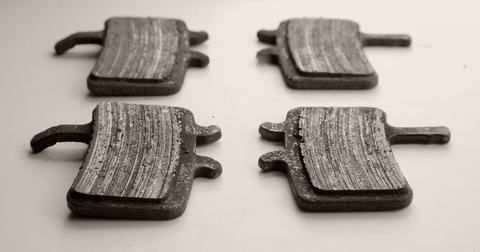
When the pull shows only under braking, the braking force is uneven from side to side. A sticking caliper is one cause, and so are brake fluid or grease on the linings, different lining types from side to side and a collapsed brake hose. A shop finds which part it is. The repair can be a new caliper with its slides and anchor bracket, as on the 2020 Ford F-250.
For other brake signs, see brake problems and a steering wheel that shakes when braking. Both cover what else can show up with a brake problem.
How can I tell a tire pull from an alignment pull?
A shop can swap the two front tires left to right, where the tire type allows it, and drive the car again. If the pull changes direction, the tires are the cause, and if it stays on the same side, the cause is in the car, such as the alignment or a dragging brake, as on the 2014 Chevrolet Corvette.
A pull that shows on a straight, level road with no braking can point at the alignment, as on the 2017 Nissan Altima. After a swap that moves the pull, a shop can check which tire is at fault.

A tire pressure gauge
Why does my car pull after an alignment or a tire change?
Check the tire pressures first, because pressures set unevenly during tire work can make a car drift. If the pull stays after that, the alignment is the next check.
Some pulls come from the factory alignment settings, so a car can pull from new. Tell the shop if the pull has been there since you bought the car. After any wheel work, have the lug nuts retightened at the distance your manual gives, as on the 2018 Ford Escape, within 100 miles.
What can I check myself?
Measure each tire with a gauge when the tires are cold and set them to the pressure on the tire sticker in the driver's door jamb, not the maximum printed on the tire. For what a low reading means, see the tire pressure light.
Look at the tires for uneven wear and at the wheels for a dent or a bulge, especially after you hit a curb or a pothole. A tire with a bump, a bulge, a deep cut or a crack in the sidewall needs replacing. Misaligned wheels can wear tires unevenly and quickly.

Checking tire wear
What should I tell the shop?
Tell the shop which side it pulls to and when, because the moment points at the part:
- Which side and when. Cruising, braking or accelerating.
- What changed. New tires, an alignment or a hit on a curb or a pothole.
- The tire pressures. The readings you measured cold.
- Any shake. A steering wheel that shakes or sits off center.
With the side, the moment and the pressures written down, the shop can look at the likely part first. Say if the pull started suddenly or slowly.
What to say to the shop
When the car pulls to one side and you want the cause found before parts are replaced.
- Is it the tires, the alignment or a brake?
- Can you swap the front tires to see if the pull moves?
- Are the pressures and the caliper checked?
“The car pulls to the right on a level road. Can you swap the front tires to see whether the pull moves?”
A good answer: it says whether the pull moved with the tires and what the alignment and the brakes showed.
What fixes a car that pulls?
The fix follows the cause, and the order runs from your own check to shop work:
- Set the tire pressures. Use the cold pressure on the tire sticker for every tire.
- Have the shop swap the front tires. If the pull moves, the tires are the cause.
- Get the alignment checked. A pull that stays on the same side points at the alignment or a brake.
- Repair a dragging brake. A sticking caliper is replaced with its slides and bracket where the maker says so.
- Replace a worn or damaged part. A tire, a steering part or a suspension part that is worn out is changed after the checks.
From the makers
What do the makers say about a car that pulls?
None of these cards is a recall, and each one covers only the vehicle it names. A dealer or shop can say how the same rule applies to your vehicle.
Owner's manual Chrysler 200 2015
Unequal tire pressures from one side of the vehicle to the other can cause the vehicle to drift to the right or left.
Owner's manual Ford Escape 2018
If your vehicle seems to pull to one side when you are driving, the wheels may be out of alignment.
Owner's manual Toyota Camry 2018
Vehicle pulls heavily to one side when driving on a level road.
Owner's manual Chevrolet Equinox 2022
Wet brakes can cause crashes. They might not work as well in a quick stop and could cause pulling to one side.
Owner's manual Hyundai Elantra 2022
Lightly tap the brake pedal to heat up the brakes while maintaining a safe forward speed until brake performance returns to normal.
Service bulletin PIC5975A
Do a left to right front wheel/tire assembly swap then evaluate the vehicle for pull / drift.
Conclusion
What to do next about a car that pulls
Set the tire pressures to the sticker in the door jamb first, then tell the shop which side the car pulls to and when, on a level road or under braking. A heavy pull means the car should be checked as soon as possible.
Oil & Miles checks each statement here against the carmakers' manuals and bulletins.
Common questions
Asked most often
Can bad tires make a car pull?
Yes. Unequal pressures make a car drift, as on the 2015 Chrysler 200, and a left-to-right tire swap shows whether the tires cause a pull.
Can I keep driving a car that pulls?
A heavy pull can mean the car needs repair, so have it checked as soon as possible, as on the 2018 Toyota Camry.
Why does it still pull once the wheels are aligned?
The cause may be a tire or a dragging brake, and a left-to-right tire swap shows which, as on the 2014 Chevrolet Corvette.
Can a pothole make a car pull?
Yes. A bad jolt from a curb or a pothole can put the front end out of alignment, as on the 2018 Ford Escape.
What people ask next
Sources
- Chrysler group owner's manuals, Chrysler 200 2015, for unequal tire pressure. Chrysler, read November 13, 2026
- Ford owner's manuals, Escape 2018, for a jolt that puts the wheels out of alignment. Ford, read November 13, 2026
- Nissan Altima 2017 owner's manual, for a pull on a straight, level road. Nissan, read November 13, 2026
- Toyota Camry 2018 and 4Runner 2019 owner's manuals, for a heavy pull and the dealer visit. Toyota, read November 13, 2026
- GM and Hyundai owner's manuals, Chevrolet Equinox 2022 and Hyundai Elantra 2022, for wet brakes that pull. GM and Hyundai, read November 13, 2026
- GM bulletin PIC5975A, for the front tire swap. GM, read November 13, 2026
- GM bulletin 17-NA-087, for wide low-profile tires. GM, read November 13, 2026
- GM Customer Satisfaction Program N202325860-01 (ended February 28, 2023), a past free fix that replaced the brake calipers. GM, read November 13, 2026
- Ford bulletin SSM 49222, for the caliper repair. Ford, read November 13, 2026
- Ford bulletin ASI-44440, for pressure and low-speed braking drift. Ford, read November 13, 2026
- Ram bulletin 02-006-15, for factory alignment settings. Ram, read November 13, 2026
- Acura bulletin 17-033, for the steering software fault. Acura, read November 13, 2026
- TxDOT Roadway Design Manual, section 4.10.4, for the road cross slope. TxDOT, read November 13, 2026
AI illustration by Oil & Miles
This article is general information, not advice about your specific vehicle. See the disclaimer.