
Key takeaways
- Safety: For a hard, soft or sinking pedal, a slow stop, the red brake light or a leak, stop somewhere safe and have the car towed. A brake grind that stays on means have the brakes checked now.
- A squeal, a knock, a pull or an amber light on its own means drive gently straight to a shop and book a check soon.
- Several brake problems light up nothing, so a dark dashboard doesn't prove the brakes are fine.
- Not every squeal is worn pads, and a pulse in a hard stop is the ABS working.
- With only the ABS light on, the normal brakes still work, but the red light with it means stop.
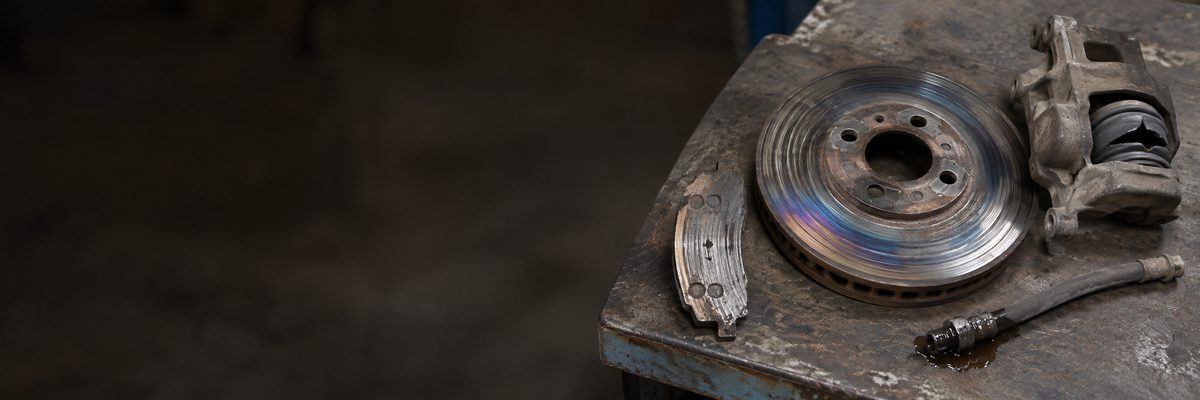
Signs of bad brakes show up as a noise, a change in how the pedal or steering feels, a warning light, or a leak or smell. A brake system problem can leave the dashboard dark, so a sound or a feel counts as much as a light.
Here are all 15 signs, the most urgent first:
Stop now
- 1 Grinding
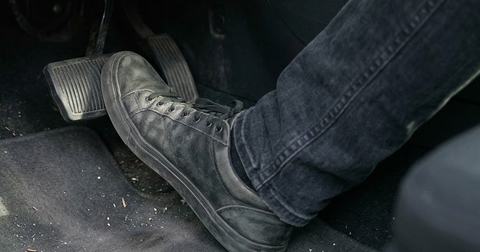
- 2 Hard pedal
- 3 Soft pedal
- 4 Longer stops
- 5 Red brake light
- 6 Fluid leak
Book soon
- 7 Squealing
- 8 Knocking
- 9 Pulls to one side
- 10 ABS light alone
- 11 Brake Assist
- 12 Parking brake
Depends on the cause
- 13 Wheel shakes
- 14 Pedal pulses
- 15 Burning smell
Worn pads show up in several of these signs, so check how much pad is left. When common brake problems come together, the more serious sign sets what to do.
Brake problems that mean stop driving now
These six signs can't wait. A brake fluid leak takes stopping power away, since the fluid is what pushes the pads, so none of these is a drive-it-and-see problem.
With the parking brake off, a red light means a fault in the brakes, and an amber one points to a helper such as ABS. A red light is a reason to stop, and an amber ABS light alone means the normal brakes still work.
1. Grinding when you brake
Check now: a grind that stays on points to pads worn past the squeal stage, so their metal backing grinds against the rotor. A brake grind that stays on means have the brakes checked now, and have the car towed if the red brake light is on. If the brake pedal feels spongy or soft, or goes down further than normal, have the brakes checked immediately.
A few grinds on the first stops after rain or an overnight sit can be rust that clears within a few stops. If it keeps grinding after that, don't keep driving on it.
2. A hard brake pedal
Stop now: a pedal that suddenly needs far more force points to the power assist no longer helping. If that's the cause, the brakes still work, but they need a much harder push and more distance.
Have the car towed rather than driven, and the same goes when the brake light stays on with a hard pedal. Have the brake booster checked, and you can run a simple test at home first.
3. Soft or sinking brake pedal
Stop now: a soft pedal feels spongy from the first press, and a sinking one keeps going down while you hold it. Air in the fluid, a leak or brake master cylinder problems can cause either.
Don't drive a car whose brakes don't work properly. Have it towed, which also gets the car to a shop safely, and a pedal that almost touches the floor is a clear case of that.

A pedal near the floor
4. Longer stopping distance
Stop now: a car that takes clearly longer to stop needs checking before you drive on, even when the pedal feels normal. A slow stop is a reason for a tow, and a weak brake booster is one possible cause.
No warning light has to come on for this, so a dark dashboard doesn't prove the brakes are fine. If you have to move the car a few yards to somewhere safe, go slowly and brake early.
5. Red brake warning light
Stop now: If the red brake light stays on with the parking brake fully released, stop somewhere safe and have the car towed. The light points to low fluid or a brake system fault.
Some cars add a separate pad-wear light or message, and each brake warning light means something different. An amber light points to a helper such as ABS, not to the main brakes.
6. Brake fluid leak or low fluid
Stop now: fluid on the ground near a wheel or a level that keeps dropping means a leak, so have the car towed. A reservoir that needs frequent refilling may point to a serious problem.
A level that dropped slowly over the years can be worn pads, since the fluid fills in behind them, but let a shop confirm it. Don't top it off and drive on.

Brake fluid at a wheel
Brake problems to have checked soon
These six signs mean drive gently straight to a shop and book a check soon. Not every squeal means worn pads, and a creak when you press the pedal is worth mentioning to the shop along with any other noise. If a pull comes with a soft pedal or a longer stop, treat it as a reason to stop instead.
7. Squealing or squeaking when you brake
Book soon: a steady high squeal points to the wear indicator, a metal tab that touches the rotor once the pad is thin. Have the car serviced once you hear it.
A squeal on the first few stops of a damp morning that then fades doesn't mean something is wrong. In my shop, plain brake dirt is behind more squeaks than worn pads are.
8. Is a knock or clunk when braking serious?
Book soon: a knock or clunk as you brake can come from a loose or worn brake or suspension part. Have it checked soon.
Stop and have the car towed instead if it comes with a pull, a soft or sinking pedal or a wobble, and have the brakes checked now if it comes with grinding. A knock right after a brake job points at the work just done, so go back to that shop and ask about the knock.
9. Why does the car pull to one side when braking?
Book soon: a pull means one side brakes harder than the other, and a sticking caliper or a pad soaked in fluid can cause it. Have it checked soon.
If one wheel is also much hotter than the others or smells, a brake may be dragging. Ask the shop to check the calipers and the pads on both sides, since the fault can sit on either one.
10. What does the ABS light alone mean?
Book soon: with only the ABS light on, the normal brakes still work, but the anti-lock help is off. Even so, have it inspected soon, since a hard stop won't get the anti-lock help.
If the red light joins it, the normal brakes have a problem too, so stop somewhere safe and have the car towed. With only the amber light on, ask the shop to check the anti-lock system.
11. Service Brake Assist message
Book soon: Service Brake Assist is GM's message for a fault in the brake assist, and the pedal may need more effort than usual. Keep driving only if the pedal feels normal and no other brake light is on, and then gently straight to a shop.
If the red brake light stays on with the parking brake fully released, stop somewhere safe and have the car towed. Have it towed too if the pedal is hard or sinks or several warnings come on at once. On a GM car, ask the dealer what the Service Brake Assist message means.
12. Parking brake malfunction
Book soon: a parking brake malfunction light means the electric parking brake may not hold or release as it should. See a dealer as soon as possible, since other safety functions may also be degraded.
Until it's fixed, block the wheels and leave the car in Park or in gear when you stop on a slope. Have the electronic parking brake checked.
Brake problems that depend on the cause
These three signs can be harmless or a reason to stop, depending on what's behind them. A burning smell means brakes that got too hot, from a long downhill or from one that drags.
A shake or a pulse in the pedal on its own can wait for a booking. If either comes with a soft pedal or a longer stop, treat it as a reason to stop.
13. Steering wheel shakes when braking
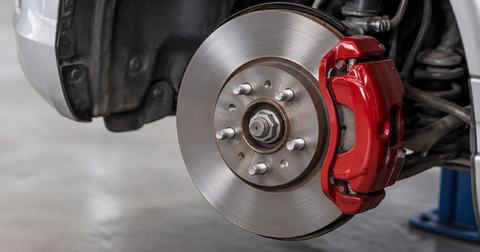
A steering wheel that shakes as you brake points to front rotors or pads that wear unevenly. Wheel nuts tightened unevenly or rust on the hub faces can cause it too.
A shake on its own can wait for a booking, so book a check and watch for the other signs. Tell the shop where you feel it, because a steering wheel shake points to the front.
14. Why does the brake pedal pulse?
When the ABS works in a hard stop, the pedal pulses, and that's normal. A pulse in gentle stops points to rotors that vary in thickness, the fault people call a warped rotor.
So not every pulse means a warped rotor, and the ABS kind needs no repair at all. A shop can measure the rotors and tell you which fault it is.
15. Burning smell or one hot wheel
After a long downhill, a burning smell means the brakes got too hot, which can cut braking power. Let them cool and use a lower gear on the next descent, and if the pedal feels soft, treat it as the soft pedal above.
One wheel much hotter than the others points to a brake that drags, which is a reason not to drive on. Ask the shop to check the calipers and the pads on both sides.
What to say to the shop
When the car pulls or shakes under braking, ask:
- Were the calipers and the pads checked on both sides?
- Did the check include the anti-lock system if the amber light is on?
“I feel it [in the pedal, the steering wheel or the whole car] when I brake. Can you check the calipers and the pads on both sides before you replace anything?”
A good answer: the calipers and pads checked on both sides, and the anti-lock system included when its light is on.
What to do if your brakes fail while driving
Press the brake pedal hard and hold it, and pump it only on a car without ABS. If one of the two brake circuits fails, the other still works, but the pedal needs a firmer push and the stop takes longer.
Then work through these steps:
- Press hard and hold. Keep a firm, steady push on the pedal, and don't pump it on a car with ABS.
- Shift to a lower gear. On a gas car, the engine then helps slow it down.
- Use the parking brake. Pull and hold an electric parking brake switch, or apply a lever or pedal brake gradually and ease off if the car skids.
- Warn others and steer clear. Turn on the hazard lights, sound the horn and steer to a safe spot, and switch the engine off only once you've stopped.
You can still steer and swerve while the car slows, so keep looking for a way out. Once you've stopped, have the car towed rather than driven, the same as for every Stop now sign above.
What brake repairs cost
The cost depends on which part failed: pads and rotors, a caliper or a single ABS sensor. Before you pay, check your VIN for an open brake recall with our VIN decoder, since a recall repair is free. Ask whether the rotors can be resurfaced instead of replaced, and ask for the parts and the labor quoted separately.
From the carmakers
What do carmakers say about brake problems?
The red light means stop, and the ABS light alone means book a visit. Stop means a tow, and book a visit means have the car looked at soon.
Owner's manual 2019 Camry, brake system warning light
Immediately stop the vehicle in a safe place and contact your Toyota dealer. Continuing to drive the vehicle may be dangerous.
Owner's manual 2025 Equinox, antilock brake system warning light
…the vehicle has regular brakes, but ABS is not functioning.
Conclusion
What to do next about brake problems
If the pedal turns hard or soft, the car is slow to stop or the red light stays on, have it towed, and if a grind persists, have the brakes checked now. If it's a squeal, a knock, a pull or an amber light alone, drive gently straight to a shop and book the check soon.
Oil & Miles checks each sign here against the carmakers' owner's manuals and the federal brake standard.
Common questions
Asked most often
How do you tell if the front or rear brakes are bad?
Notice where the sign comes from: a steering wheel shake points to the front, and a noise can be traced to one corner. Check the pads at each corner to confirm.
What are the signs of brake failure?
A pedal that turns hard, soft or sinks, a car that's slow to stop and a fluid leak are each a reason to stop driving and have the car towed. If the red brake light stays on with the parking brake fully released, stop somewhere safe and have the car towed.
Why do my brakes make noise after a brake job?
A noise right after a brake job points at the work just done, so take the car back to the shop that did it. Ask them to check the parts they fitted.
How much does it cost to fix brakes?
It depends on the part, from pads and rotors to a caliper or an ABS sensor. Pads and rotors have a price breakdown of their own.
Can you drive with bad brakes?
Not with a hard, soft or sinking pedal, a slow stop, the red light or a leak: have it towed. For a lasting grind, have the brakes checked now, and for a squeal, a knock, a pull or an amber light alone, drive gently straight to a shop.
How long do brakes last?
GM puts pad life at 40,000–60,000 miles in average use, but the thickness left decides. Check the thickness instead of counting miles.
What people ask next
Sources
- 2019 Toyota Camry Owner's Manual (US), pages 196, 198, 307, 439, 486, 495 and 497, for the wear indicator, worn pads, a failed brake circuit, the ABS pulse, the fluid level, the hazard lights, the signs that need a dealer and the brake warning lights. Toyota, read November 6, 2026
- 2025 Chevrolet Equinox Owner's Manual, pages 96, 97, 159 and 247, for the brake, ABS and parking brake lights, hot brakes on a long downhill and the wear warning sound. General Motors, read November 6, 2026
- 2020 Chevrolet Silverado Owner Manual, pages 190, 229 and 230, and 2018 Honda Accord Owner's Manual (US), page 569, for holding the pedal with ABS, a lower gear and braking with the electric parking brake. General Motors and Honda, read November 7, 2026
- California DMV, Teen Driver Tips, “What do I do if my brakes fail?”, for the lower gear, a lever parking brake, steering and warning other drivers. California DMV, read November 7, 2026
- 2023 Kia Sportage Owner's Manual (US), the parking brake and brake fluid warning light, for not driving and towing when the brakes don't work properly. Kia, read November 5, 2026
- Chevrolet, certified service, brakes, for GM's pad-life figure. GM via Chevrolet, read November 6, 2026
- 49 CFR 571.135, Federal Motor Vehicle Safety Standard No. 135, Light Vehicle Brake Systems, for what the red brake warning light must warn about. Code of Federal Regulations, read September 27, 2026
The urgency for each sign comes from the carmakers' own owner's manuals, and the red light's job from the federal brake standard.
AI illustration by Oil & Miles
This article is general information, not advice about your specific vehicle. See the disclaimer.