
Short answer
Covered to 10 years or 112,000 miles
Stellantis extended its warranty for European owners of earlier PureTech 1.0 and 1.2 wet belt engines to 100% of parts and labor for up to 10 years or 112,000 miles. It later opened a claims route to repay owners who had already paid for the repair. The claims route depends on the car having been serviced to the carmaker's plan, and the warranty has conditions of its own.
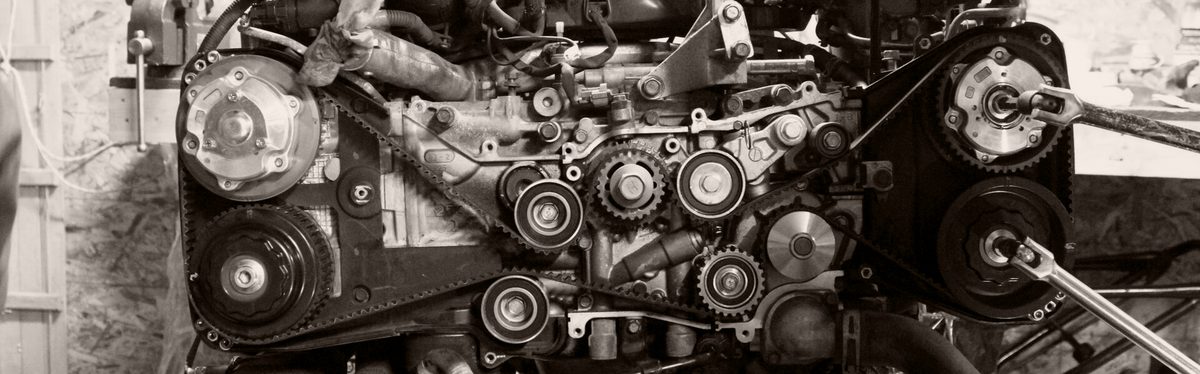
The PureTech 1.0 and 1.2 (internally the EB family) powered Peugeots, Citroëns, DS models and Vauxhalls from 2012, when Stellantis says the engine launched. None of them was sold new in the US, and the engine used a timing belt running in oil: the PureTech 1.2 .
Stellantis names two faults on the engine, in its own words: excessive oil consumption, and premature degradation of the belt itself.
What makes this case unusual is the response, not the fault: a ten-year warranty and a route to reimburse European owners who had already paid.
Where does your PureTech stand?
How the belt itself fails is in the wet belt explainer.
Method
How this article was put together
The coverage terms below come from Stellantis's own press release and are quoted with the figures it publishes. We haven't stripped a PureTech engine ourselves.
Where we describe how a wet belt fails mechanically, that's the general design, covered in the wet belt explainer. Terms vary by market and change; the claims platform is the authority for your own car.
Which engines and which years
Stellantis's claim terms cover naturally aspirated 1.0 and 1.2 engines built from June 2012 to June 2022, and 1.2 turbo engines built from April 2014 to December 2025. PSA is the French group behind Peugeot and Citroën that became part of Stellantis.
So a 2023 to 2025 car with the turbo engine can still have the wet belt. The timing chain came with later engines, and the model year won't tell you which you have.
As always with these engines, the model year is a guide and not a guarantee. The engine code is what settles it, and telling a wet belt from a chain shows where to read yours.
What the PureTech 1.2 wet belt coverage says
From Stellantis's announcement, published May 7, 2025:
| Measure | Terms |
|---|---|
| Warranty extension (from March 2024) | 100% of costs, parts and labor, up to 10 years or 112,000 miles (180,000 km) |
| Faults covered | Excessive oil consumption and/or premature degradation of the timing belt |
| Complementary compensation | Expenses incurred between January 1, 2022 and December 31, 2024 |
| Who it covers | European consumers, per Stellantis\'s own announcement |
| Brands | Citroën, DS Automobiles, Peugeot, Vauxhall/Opel |
| Where to claim | The Stellantis support platform, linked from the brand websites |
The conditions are the whole story
Two conditions decide whether the coverage is worth anything to you: the car has to have been serviced to the plan, and the repair has to go through the authorized network.
Stellantis's terms require that the servicing related to the fault complied with the manufacturer's maintenance plan.
In most markets the current terms let any automotive professional do the routine servicing; in the UK they require a Stellantis authorised repairer. The diagnosis and repair must go through the dealer network everywhere, and the three latest detailed invoices, or a network-stamped service book, are required.
Read practically, the Stellantis wet belt warranty comes down to three things:
- Your service history is the claim. Gaps in it are gaps in your coverage.
- Independent servicing counts in most markets, but not in the UK, provided it was to plan: correct intervals and correct specification, within 3 months or 3,000 km of each due date (1,800 miles in the UK).
- Don't have the repair done independently and then ask to be reimbursed. The diagnosis and the work need to go through the network to qualify.
The warranty extension isn't a recall, but there was a separate safety recall: 1.2 PureTech 110 and 130 hp engines built from March 2013 to April 2017, Peugeot code JZR and Citroën and DS code HFC. A parts maker's technical note says belt debris could block the brake vacuum pump.
Worth knowing
Coverage that depends on maintenance records changes what a service book is for. It stops being a formality that helps at resale and becomes the document deciding whether an engine repair is yours or the manufacturer's.
The awkward case isn't the owner who neglected the car but the one who did everything right and can't prove it: cash jobs, a friend's workshop, no invoice. The work happened, but the evidence didn't, and a claim runs on evidence.
The hour worth spending is the one where you collect whatever invoices exist and photograph them.
What to look for if you already own one
The work here is paperwork rather than mechanics, and it belongs before something goes wrong rather than after. A claim is judged on what you can show, and what you can show is decided months earlier.
If you own a PureTech 1.2 with a wet belt, do these five things, and the first is the one with a clock on it:
- Check your dates against the ten-year clock. It runs from the warranty start, usually first registration, so a car registered in 2016 is at or past it and a 2019 car has until 2029. Our free timing belt calculator checks the belt's own limits.
- Gather the service history. Every invoice, every date, every mileage.
- Check the oil monthly. A rising level and a gasoline smell means fuel dilution, which thins the oil the belt runs in, and the oil a wet belt needs is its own subject.
- Watch oil consumption. It's one of the two named faults, so record it rather than just topping off.
- Use the claims platform rather than assuming a dealer will volunteer it.
Is a used PureTech still worth buying?
With eyes open, yes.
The reasoning is the same as for the Ford: the design has a known weakness, the manufacturer has acknowledged it, and there's a documented route to help. A car with full history sitting inside the coverage window is a genuinely different proposition from an identical car with three years missing from its book.
What the coverage exists to pay for is a chain rather than a snap: the belt sheds material, the debris blinds the oil pump pick-up, and the engine runs short of oil. We set that out step by step in how wet belt engines fail.
Two practical rules. First, check the engine code if you want the chain, because turbo engines with the belt were built into 2025.
Second, if you're buying an earlier one, treat the service history as the main object being sold, because under these terms, it partly is. The wider buying checklist is in what to check before buying one.
Conclusion
What to do about a PureTech
Stellantis covers the PureTech belt to 10 years or 112,000 miles, if the car was serviced to plan. Here's what to do about a PureTech, from Stellantis's own announcement:
- Check the ten-year window.Stellantis covers 100% of parts and labor for up to 10 years or 112,000 miles. The clock runs from first registration, so a 2016 car is at or past it and a 2019 car has until 2029.
- Collect the paperwork.The refund depends on the car having been serviced to the carmaker's plan, and the warranty has conditions too. Your service history is the claim, and every gap in it is a gap in your coverage.
- Already paid for a repair?The compensation route repays belt repairs paid for between January 2022 and December 2024. It needs the same service history as the warranty.
- Claim on the official platform.Use the Stellantis support platform, linked from the brand websites, rather than waiting for a dealer to mention it. Terms vary by market, and the platform is the authority for your own car.
- Buying one?Check the engine code first: turbo engines with the wet belt were built into 2025. Then let the service history decide the price, because a car with full history inside the window is a different proposition.
So collect the paperwork before anything goes wrong; on this engine, more than most, it's the asset. We read Stellantis's own announcement rather than the coverage of it, which is what Oil & Miles does before telling anyone what they are owed.
Common questions
Asked most often
Is the PureTech 1.2 engine reliable?
It's economical, but Stellantis names two faults on the earlier belt-in-oil versions: excessive oil consumption and premature degradation of the belt. Later chain-driven versions don't carry the belt question.
Which PureTech engines have the wet belt?
Stellantis's terms cover naturally aspirated 1.0 and 1.2 engines built from June 2012 to June 2022, and 1.2 turbo engines built from April 2014 to December 2025. The engine code tells you which you have.
Does Stellantis pay for wet belt repairs?
Coverage was extended in March 2024 to 100% of parts and labor for up to 10 years or 112,000 miles, and a compensation platform later opened for expenses incurred between January 1, 2022 and December 31, 2024. The compensation depends on the car having been serviced to the manufacturer's plan.
Which model year is safe to buy?
The year alone won't tell you, because turbo engines with the belt were built into 2025. Check the engine code, then let the service history matter more than the year.
What people ask next
Sources
- Stellantis extends compensation policy for European consumers' claims on previous generations of PureTech 1.0 and 1.2 engines, May 7, 2025, for the warranty extension terms, covered faults, compensation window and conditions. Stellantis Media, read September 18, 2026
- PureTech compensation platform, the official claims route, for the March 2024 warranty extension at 10 years or 180,000 km. Stellantis, read September 18, 2026
- PureTech terms and conditions, May 11, 2026, for the engine build dates, the UK servicing rule and the invoice and tolerance conditions. Stellantis, read September 26, 2026
- TECHinfo: 1.2 PureTech Turbo, April 2023, for the JZR and HFC safety recall. NTN-SNR, a parts maker, read September 26, 2026
How this was compiled
Both sources here are Stellantis's own, and both were re-opened and checked against the article. We found no independent audit of the scheme. A published policy and what happens when you actually use it are different things, and only one of them is documented.
What we didn't do
We didn't put a claim through the compensation platform, so nothing here tells you how it behaves in practice: how long it takes, what evidence it accepts, or how often it says no.
Coverage terms, eligibility and mileage limits vary by market and change over time. The Stellantis platform and your local brand representative are the authority for your own vehicle, not this article. General information, not advice about a specific vehicle. See the disclaimer.
Wet belt
A toothed drive belt that runs submerged in engine oil rather than in dry air.
Goodwill
A manufacturer paying for a repair it's not contractually obliged to cover, usually to limit reputational damage from a known fault.