Used Car Reviews
What breaks, at what mileage, and what the fix costs.
Check your car before you buy
Every car we have a full record for, by make. Each model page shows its complaints, recalls and crash tests by year; the years listed have their own page.
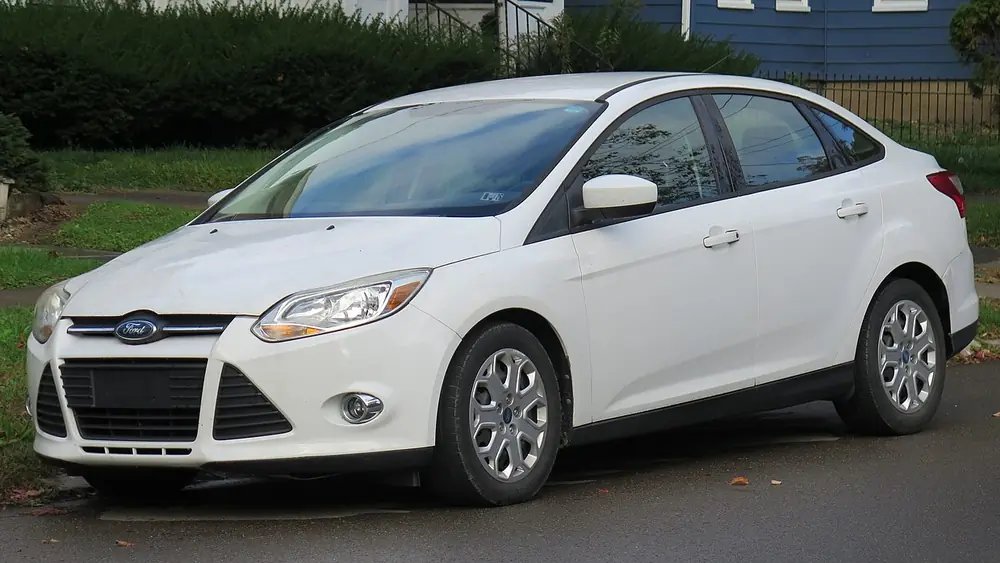
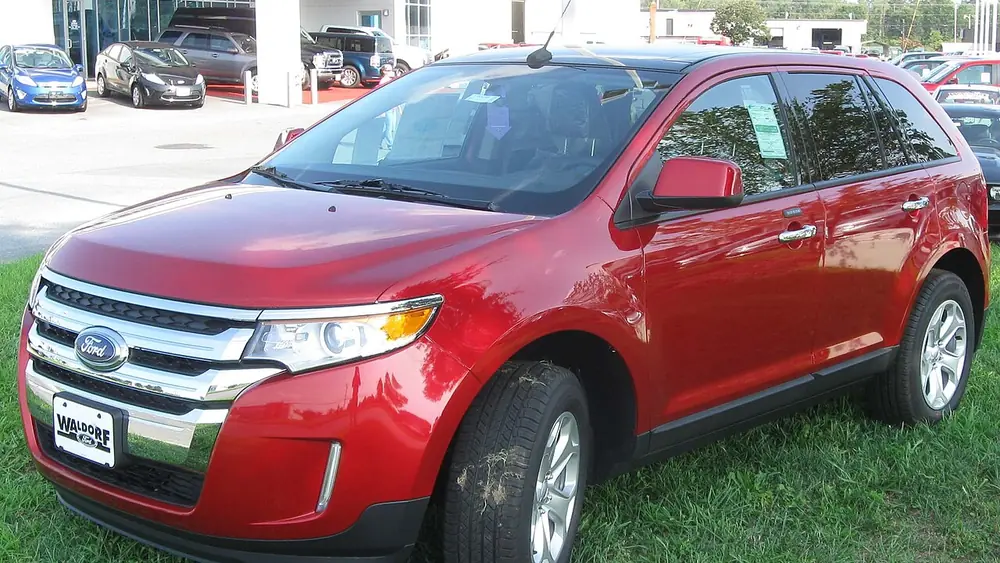
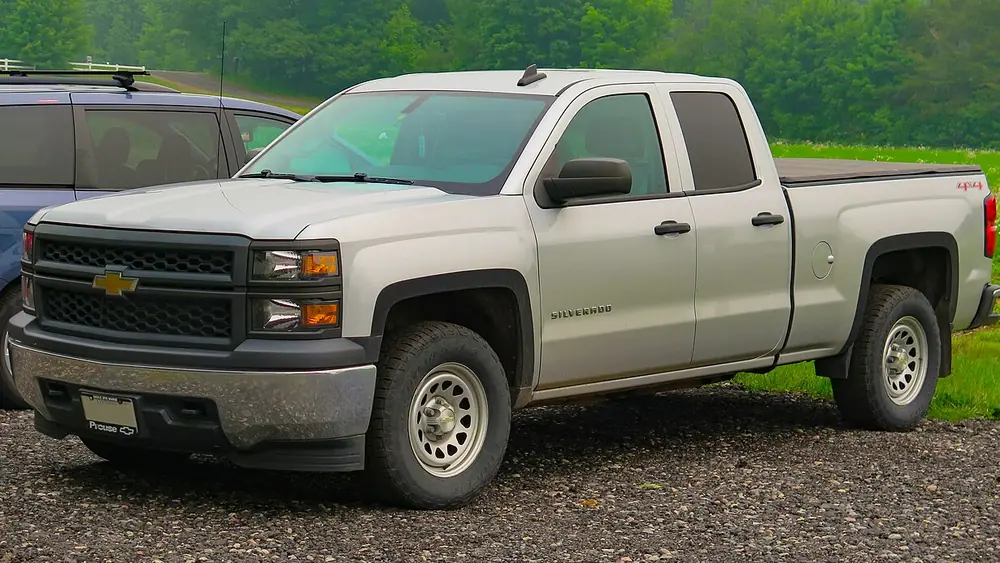
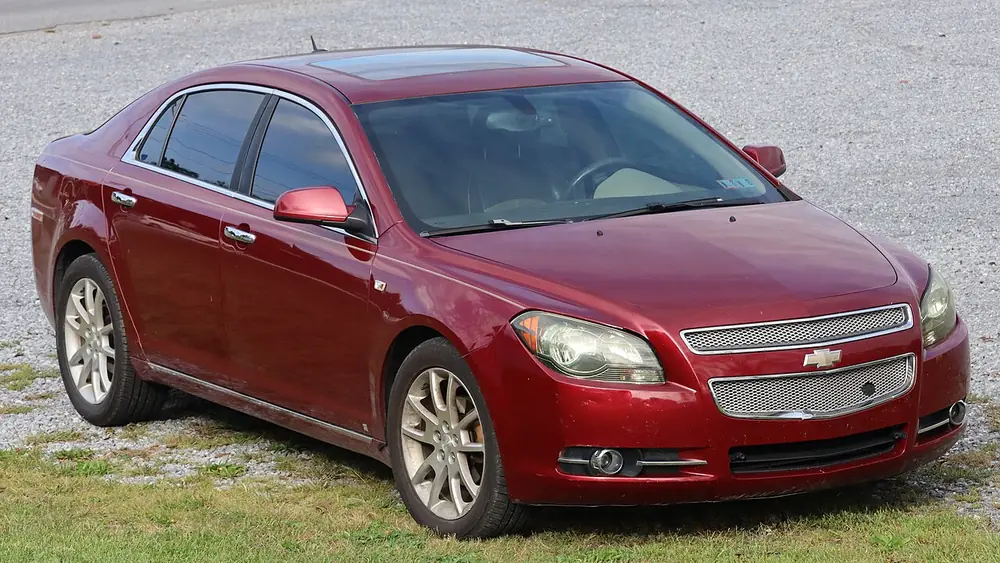
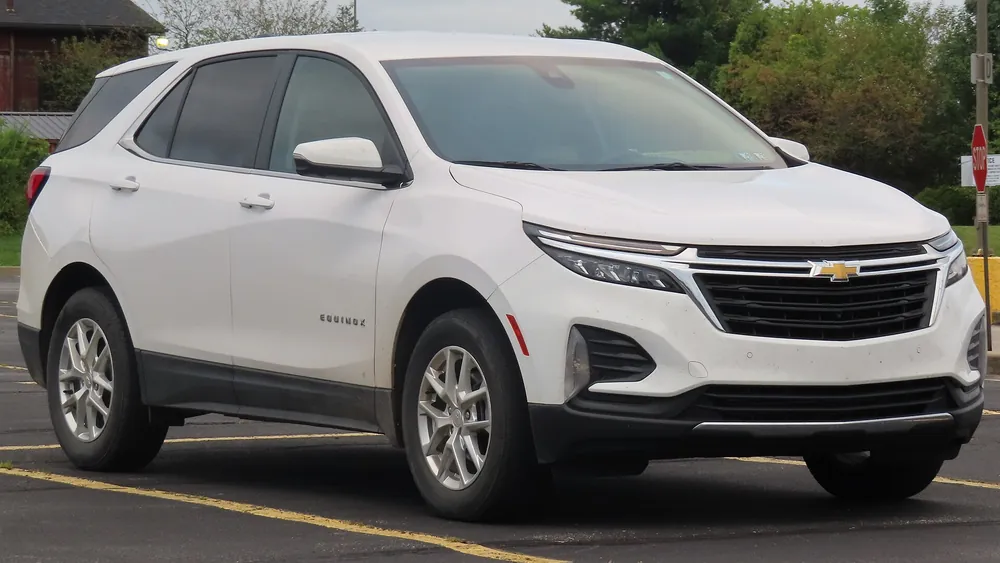 Chevrolet Equinox 6.5k complaints
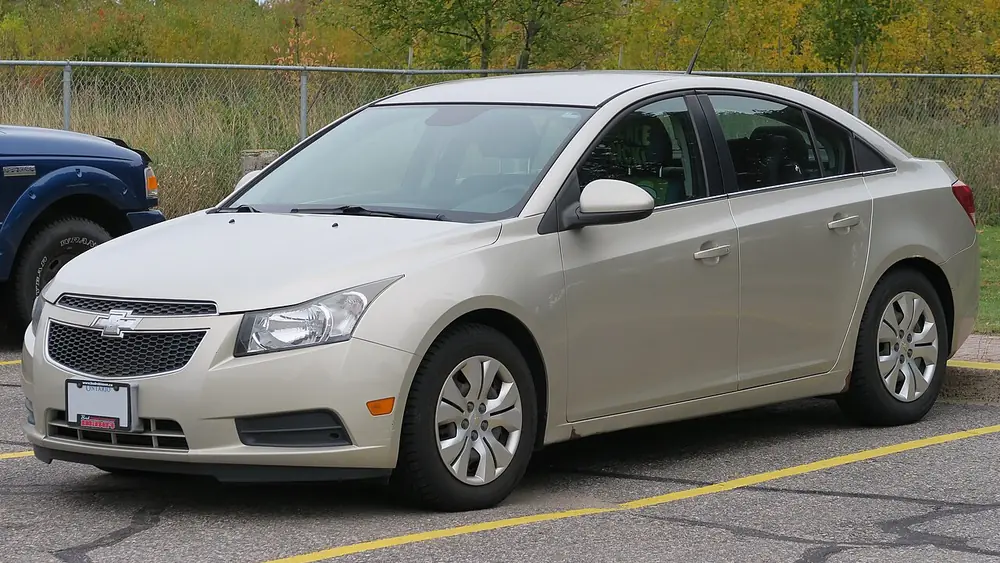
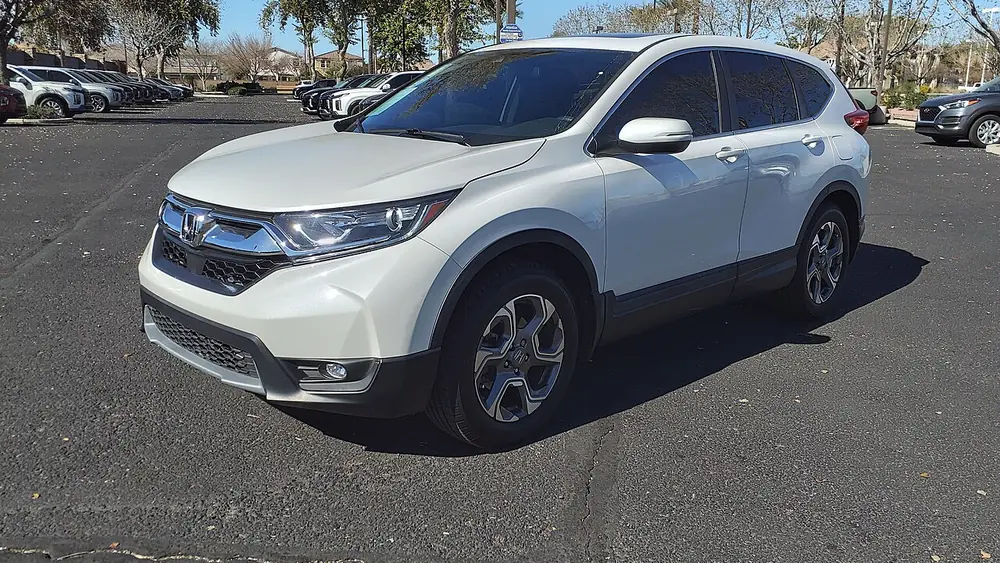
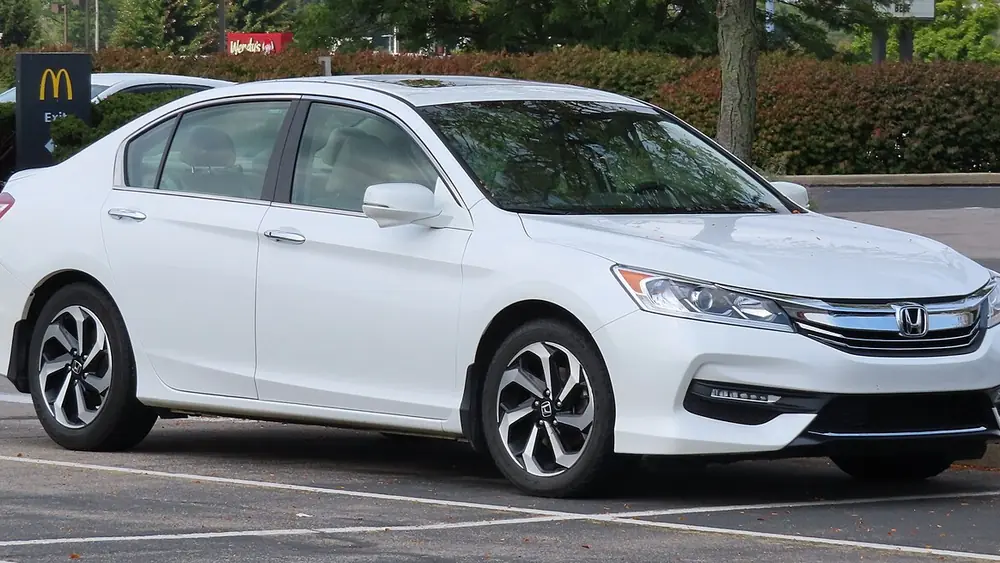
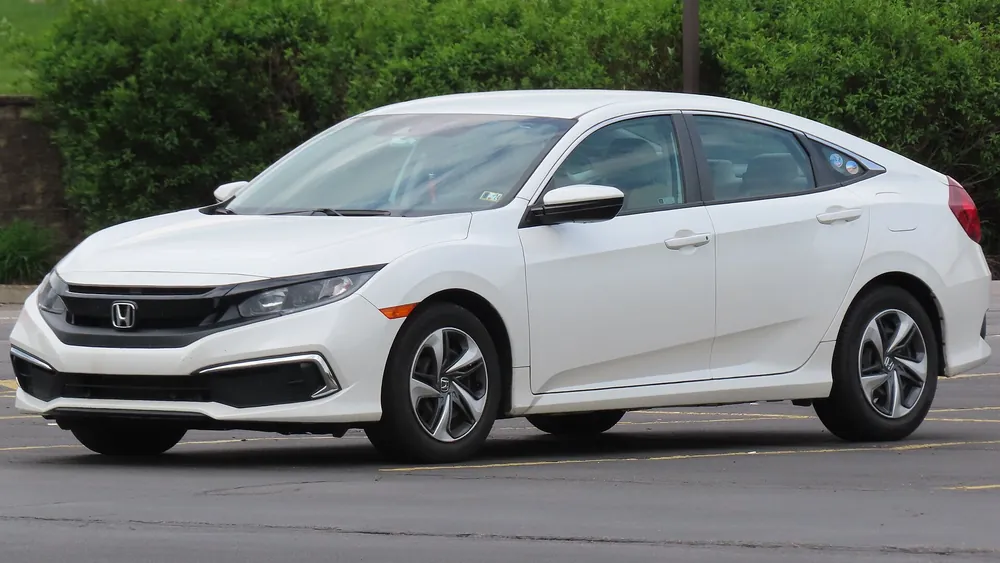 Honda Civic 6.5k complaints
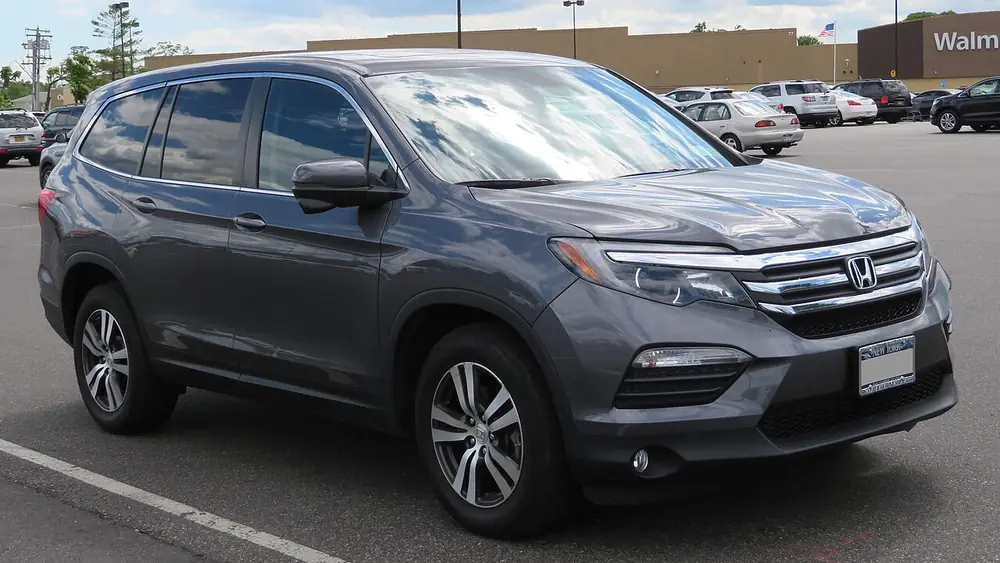
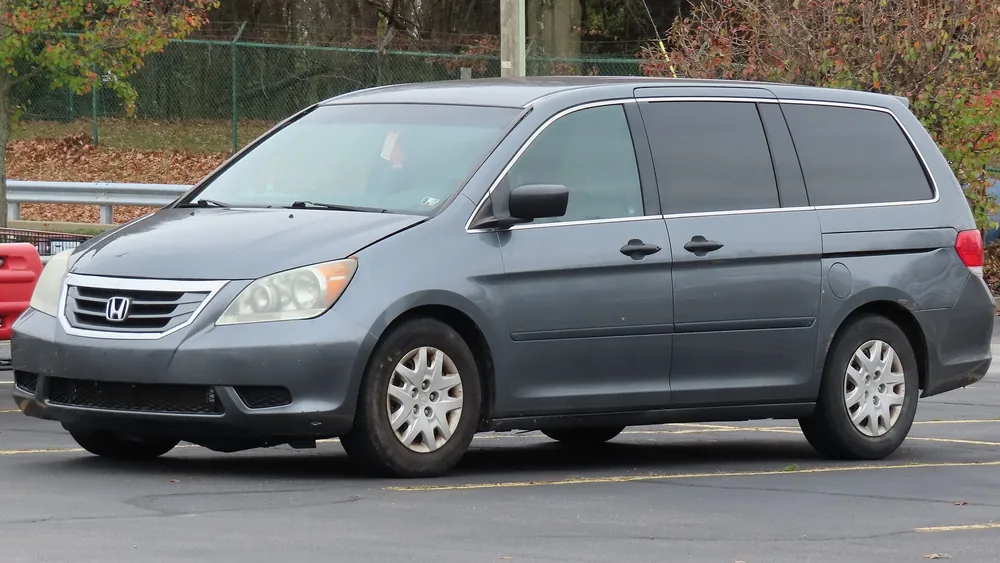 Honda Odyssey 4.9k complaints
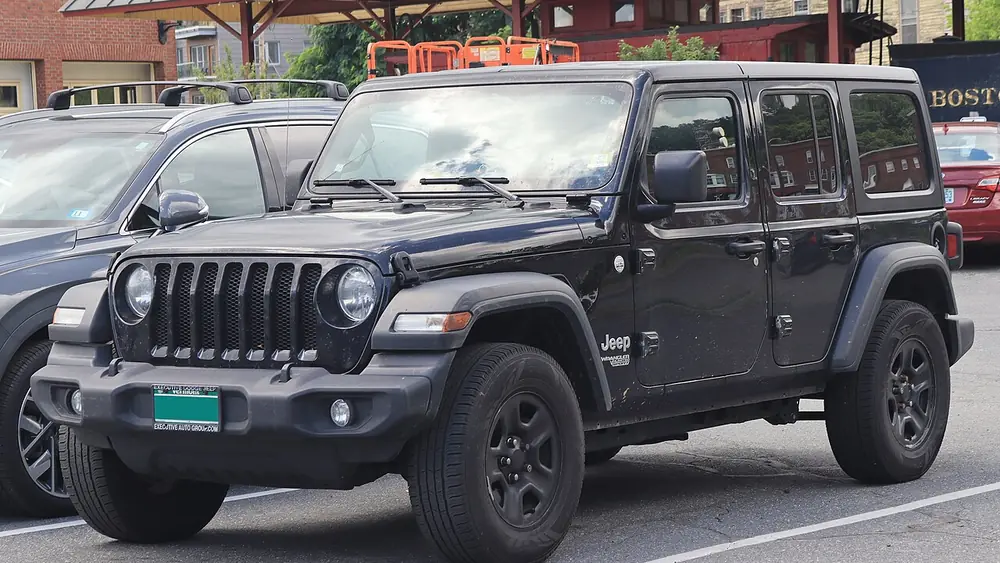
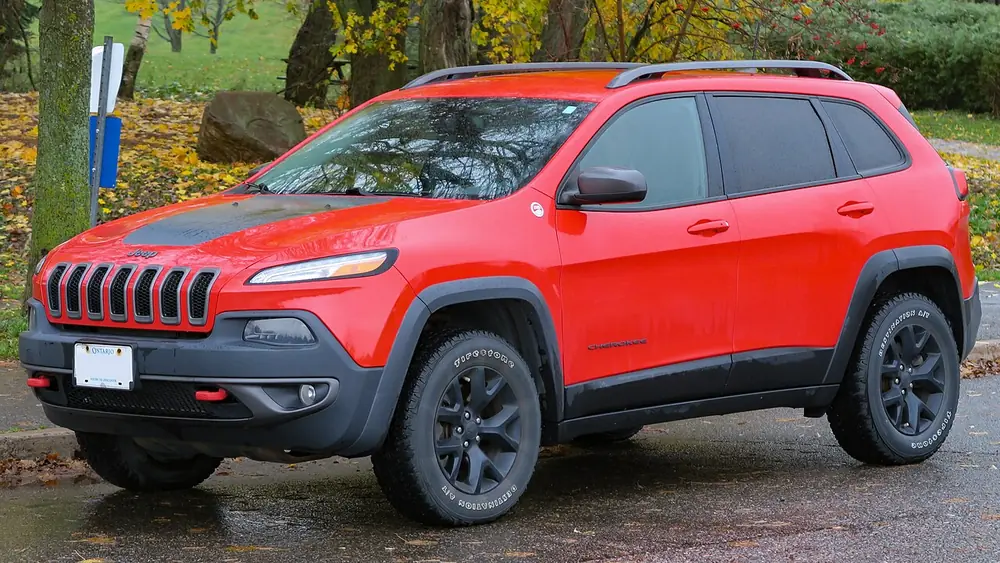
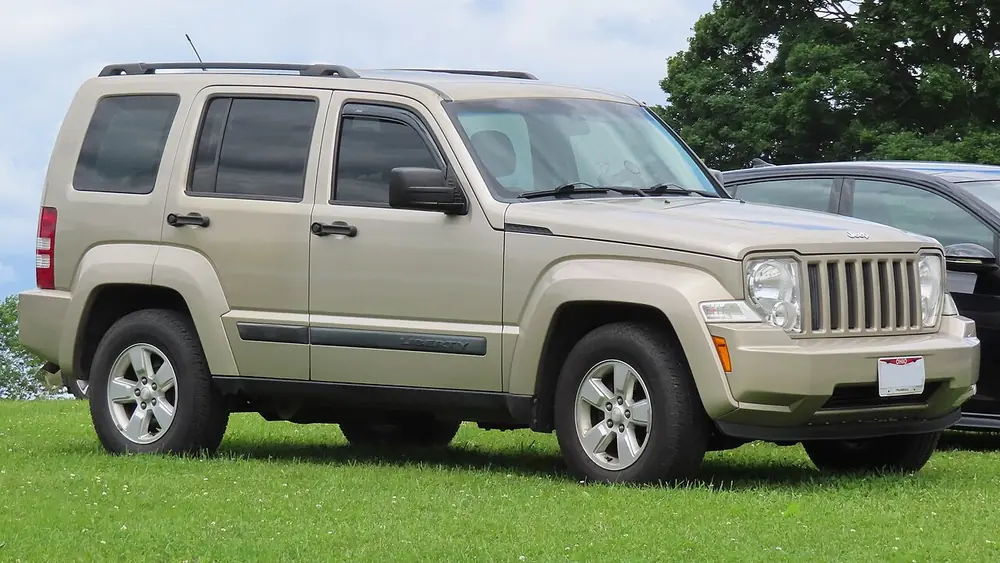
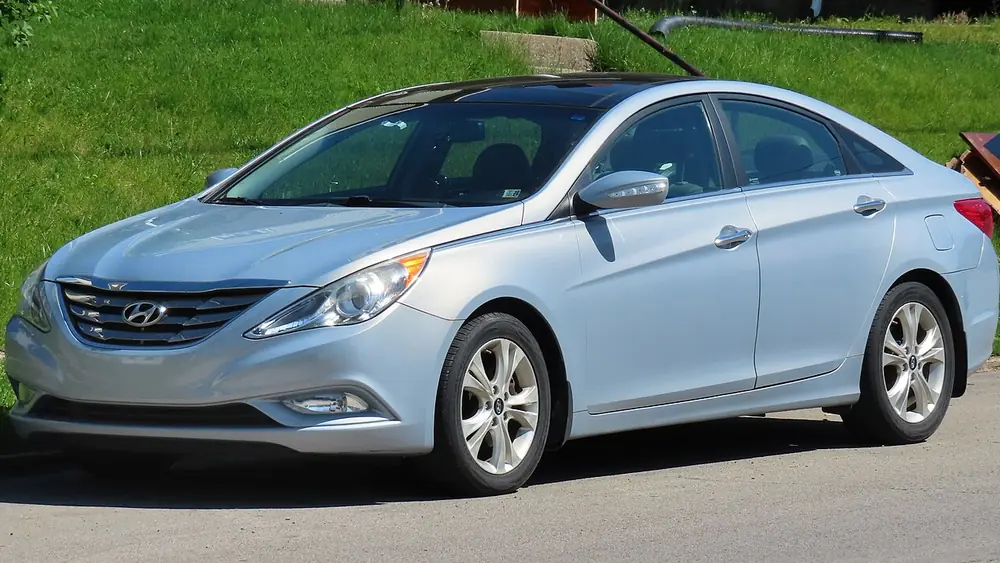
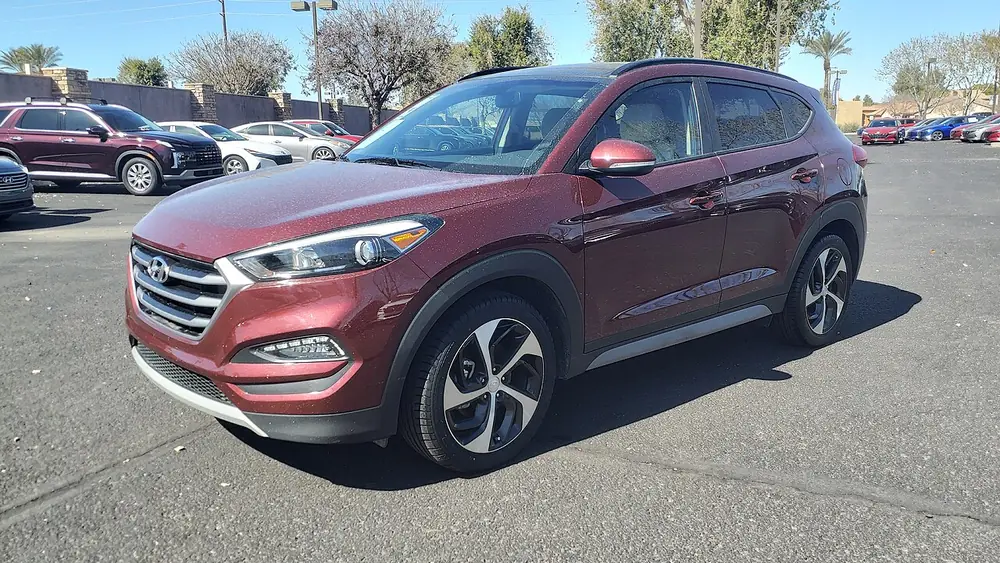
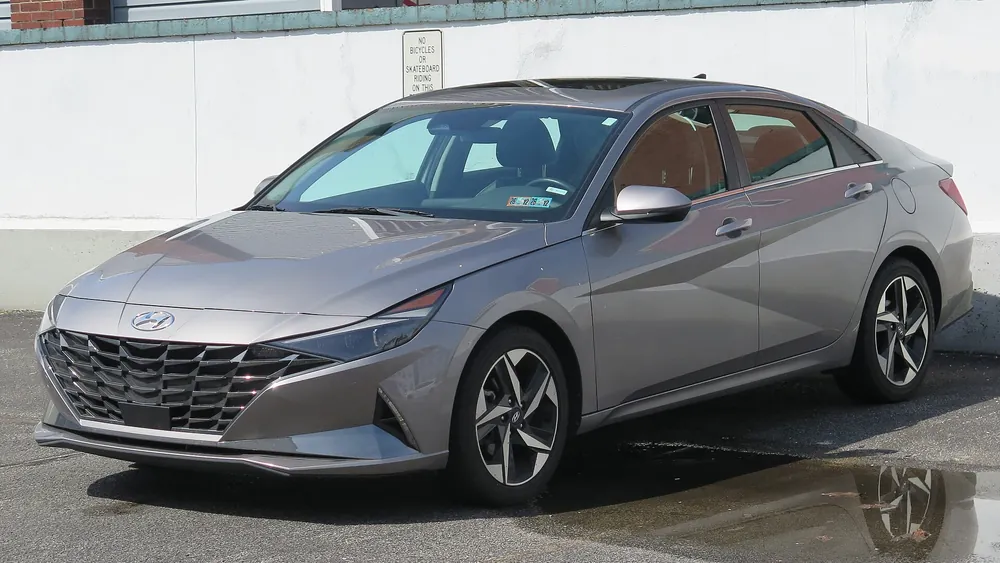 Hyundai Elantra 5.6k complaints
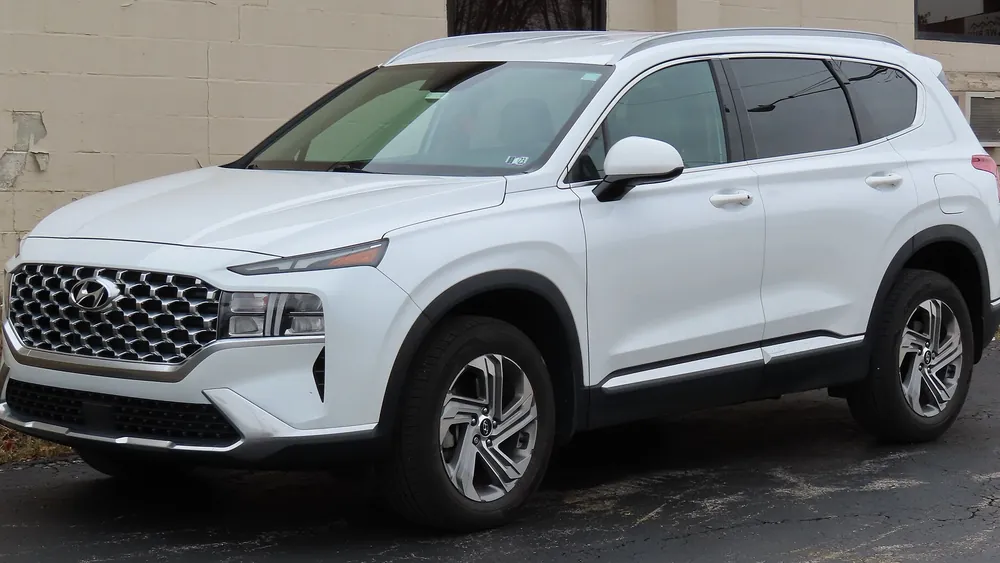 Hyundai Santa Fe 4.7k complaints
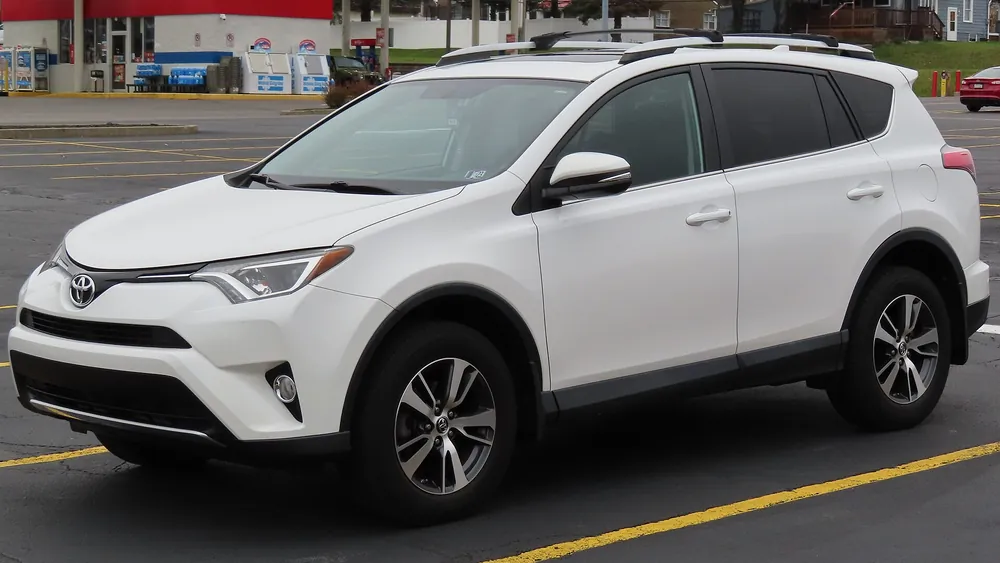 Toyota RAV45k complaints
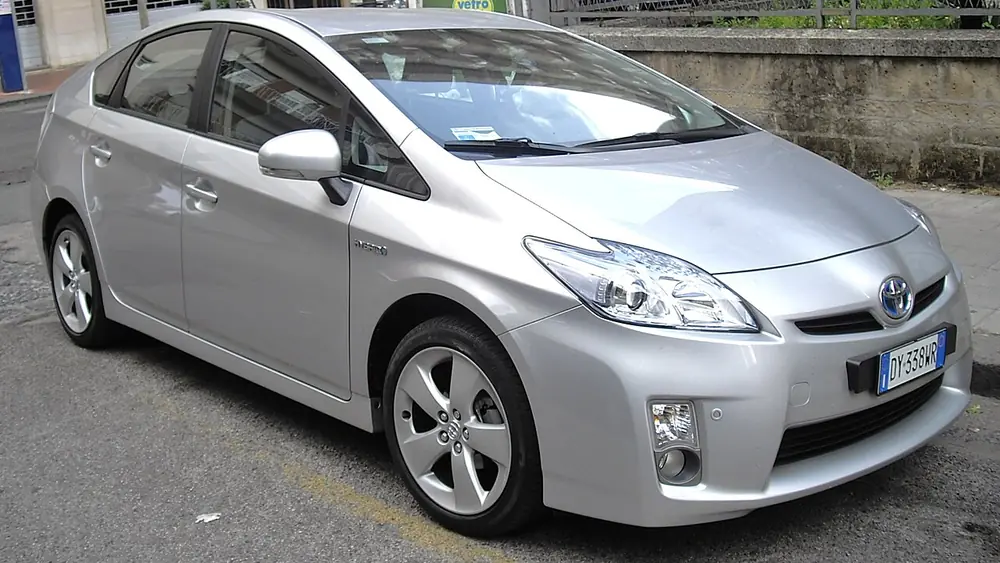
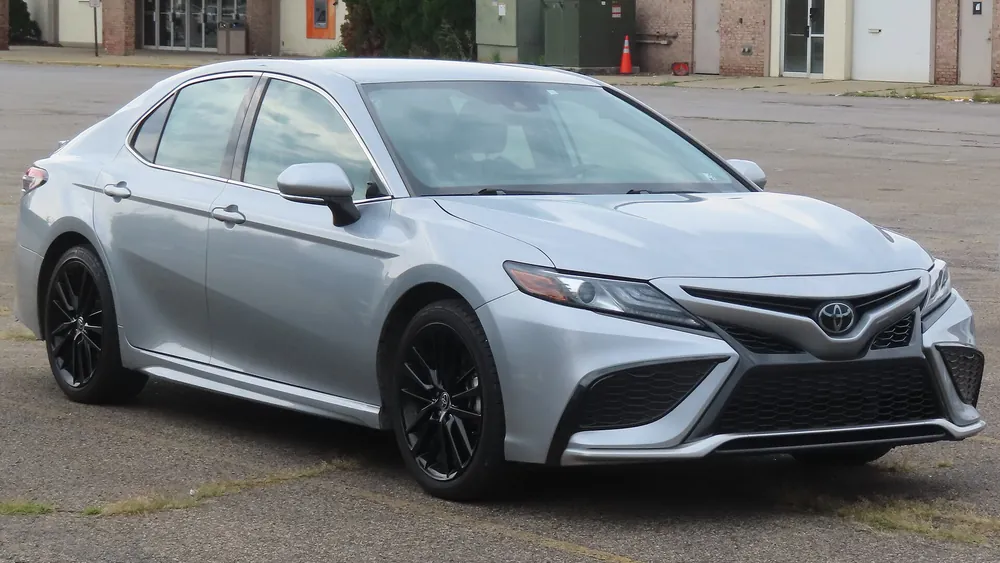 Toyota Camry 4.8k complaints
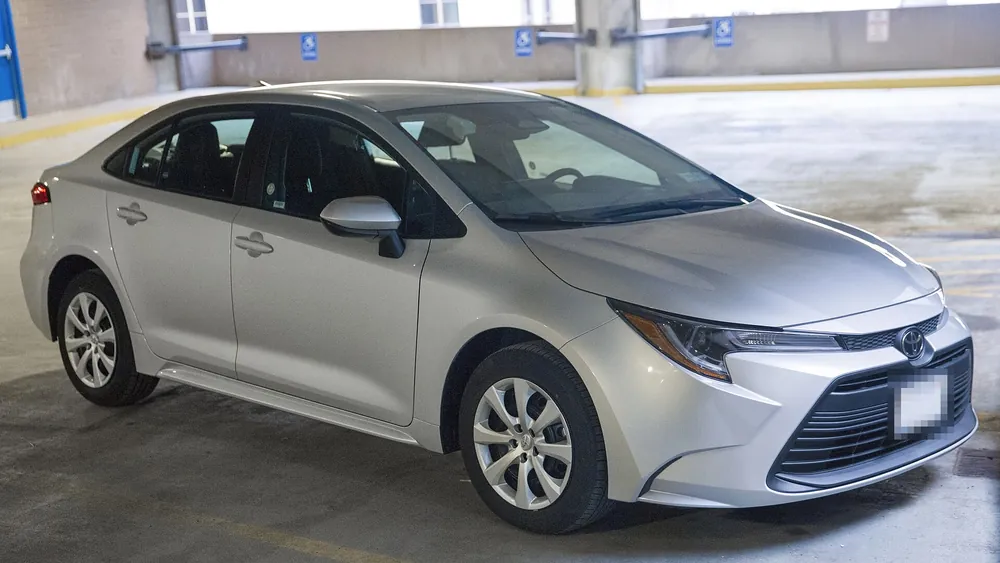 Toyota Corolla 4.4k complaints
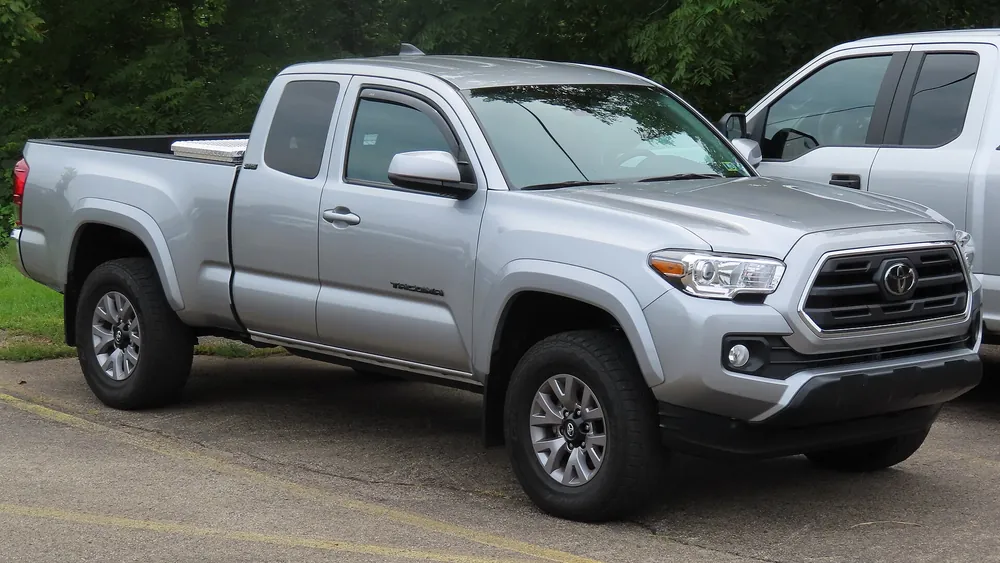 Toyota Tacoma 2.6k complaints
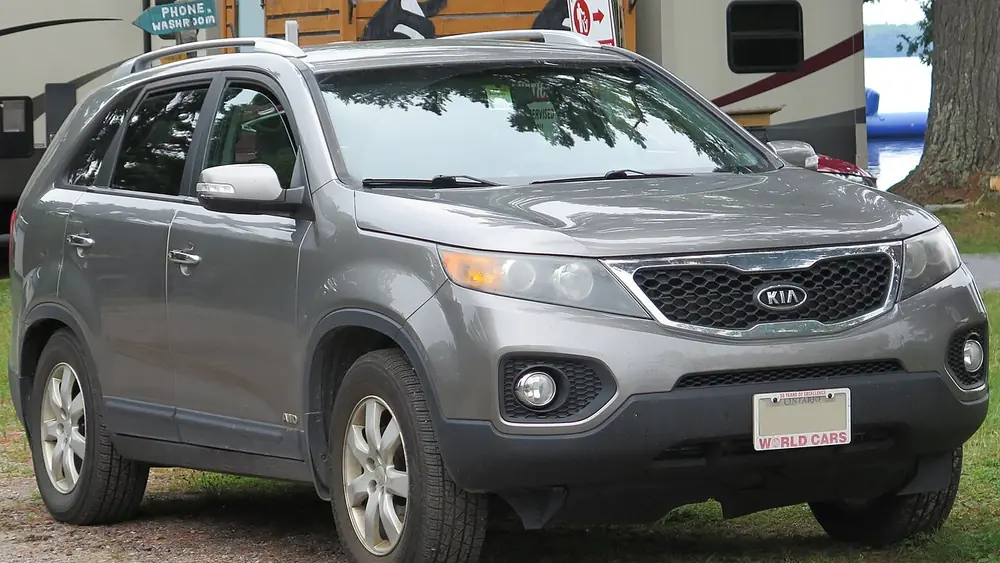
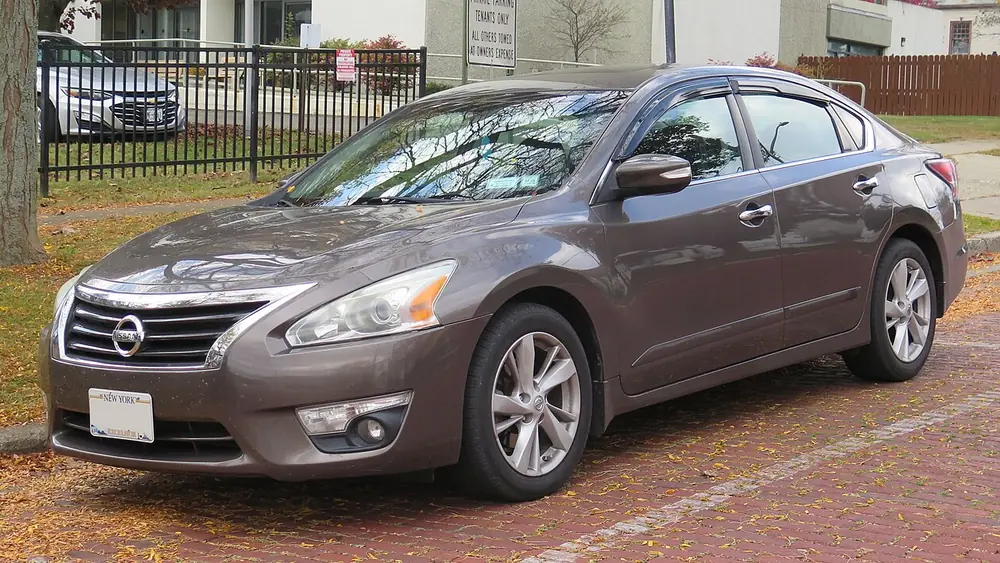
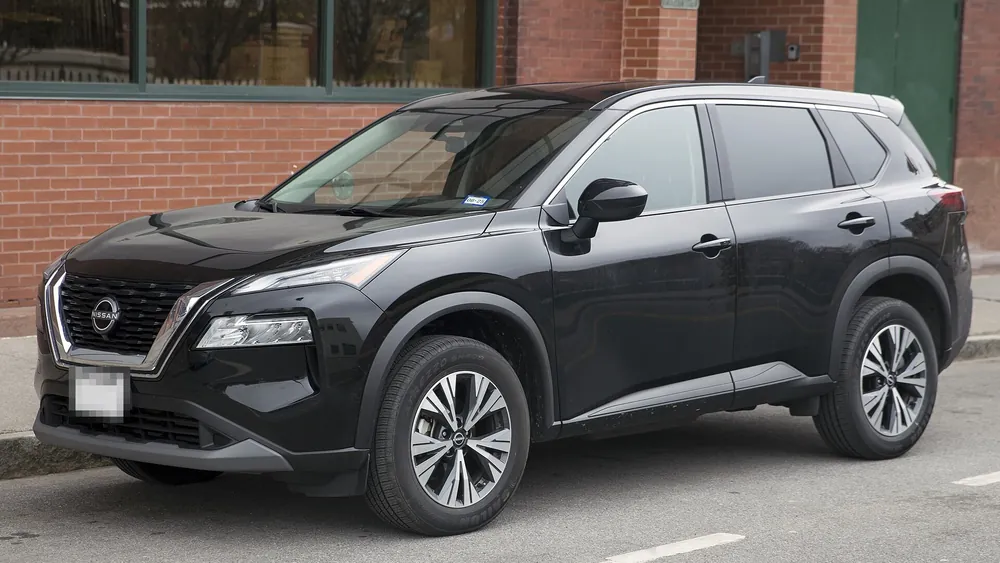 Nissan Rogue 6.4k complaints
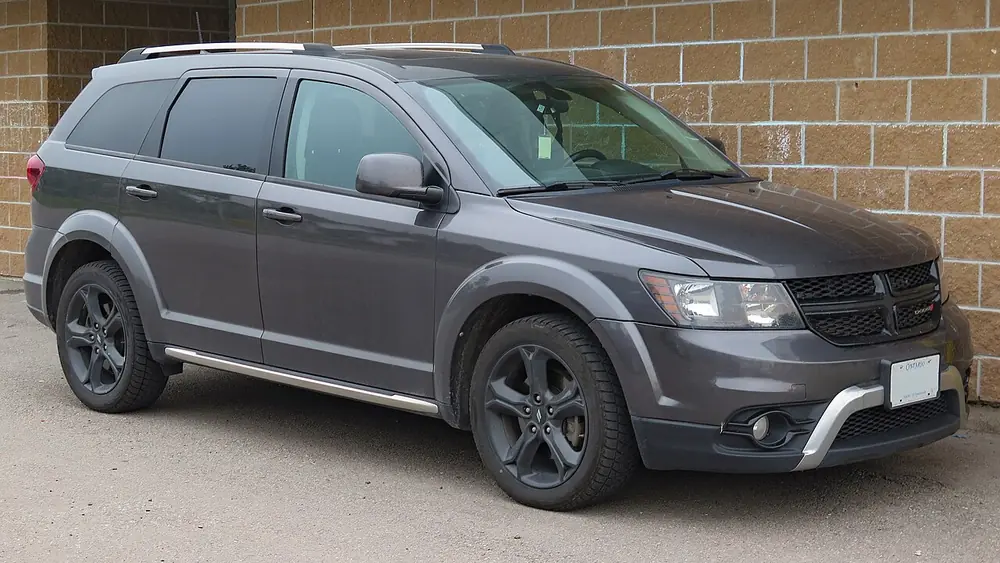
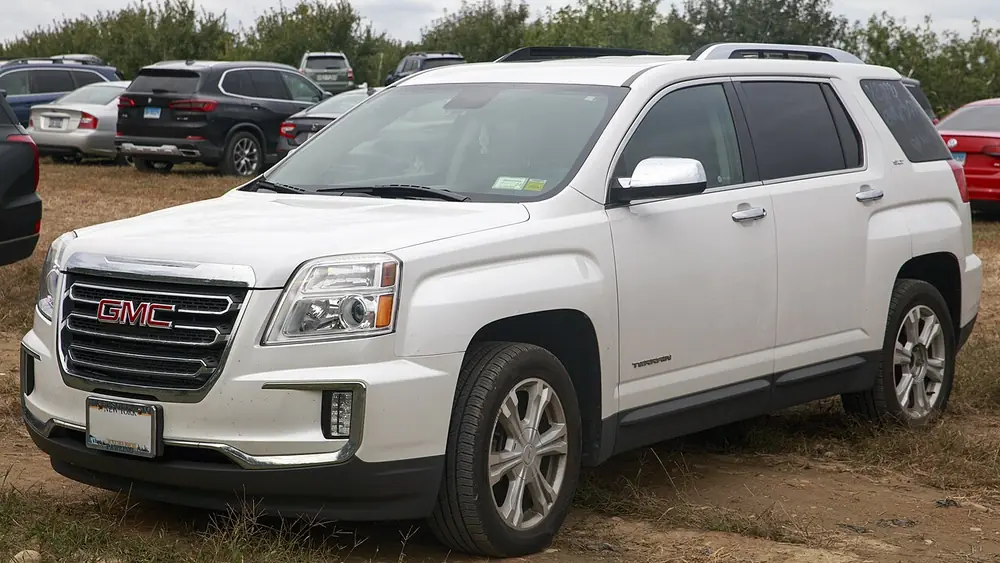
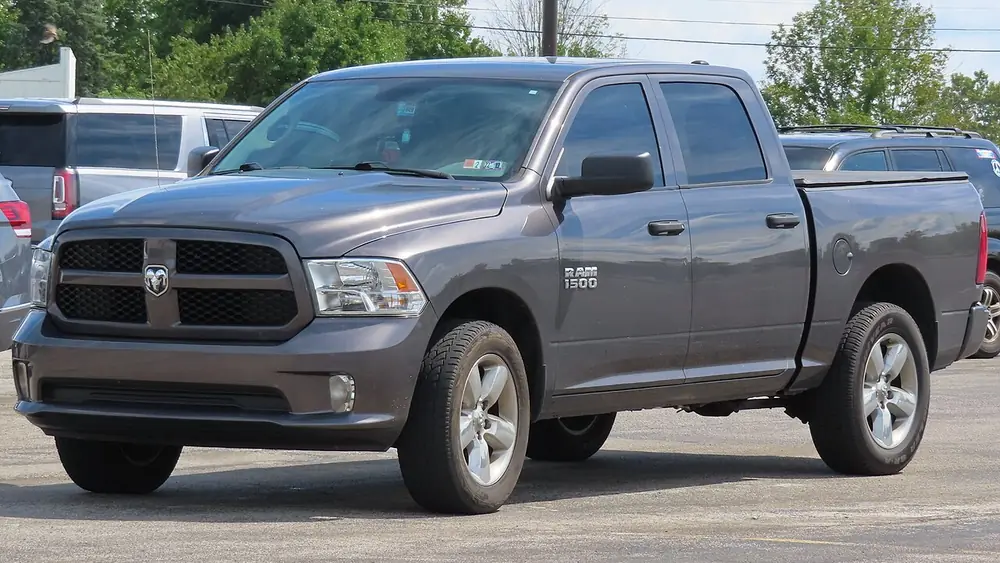
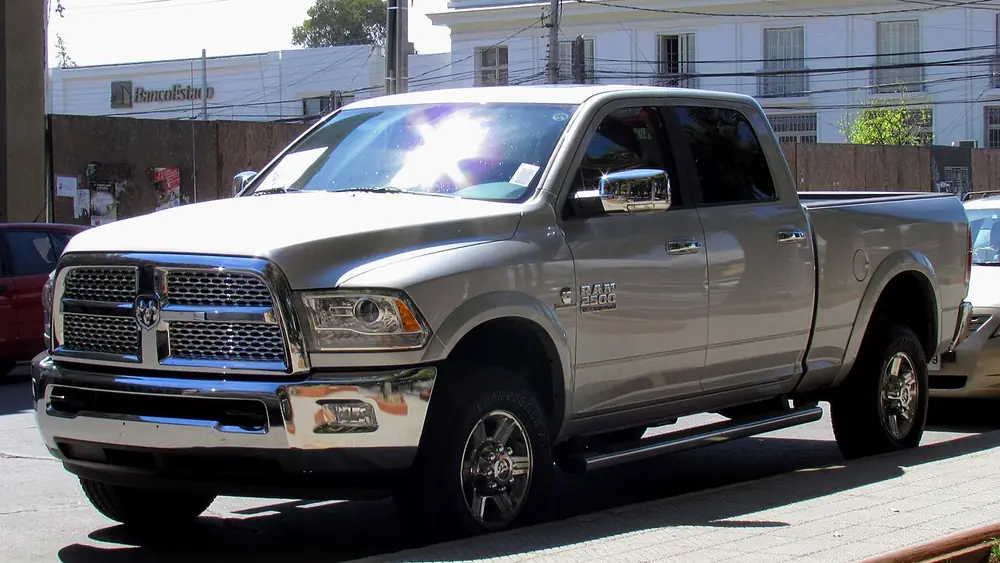
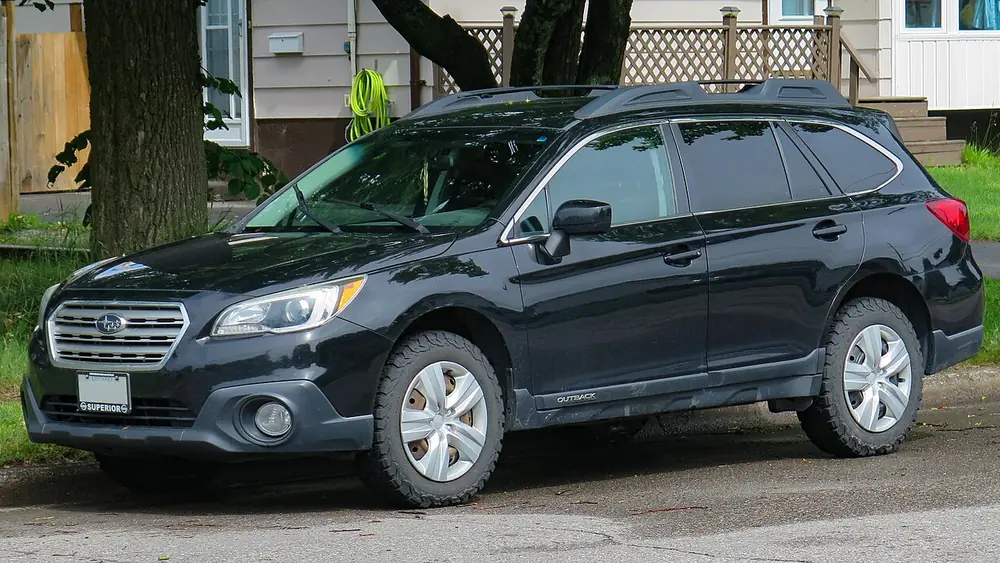
How to read these records. Source: NHTSA's public file of owner complaints for model years 2010 to 2025, its recall campaign listings and its 5-Star crash ratings, for vehicles sold in the US. Counts by system and year cover vehicles with at least 10 complaints. A complaint count is a number of owner reports, not a failure rate: it cannot say how many cars were sold, whether your car has the fault, who filed or what a repair costs, and the newest model years have had less time on the road to collect reports.
Used car buying guides
Model-by-model guides: the faults owners report, the years to watch, and what the fix costs.
- 22 High-Mileage Cars to Avoid: Ranked Worst First
- 100k Mile Maintenance Cost: Every Quote Stops at 75,000
- Ford 1.0 EcoBoost Wet Belt: Is Your Car in the Recall?
- Used Car With a Wet Belt Engine? Three Checks First
- PureTech 1.2 Wet Belt: What Stellantis Covers
- Honda CR-V 2017–2022 Oil Dilution: The 1.5T Problem
How these used car guides are written
Model-by-model buying guides built on what breaks, not on how a car drives. The questions here are the ones asked with money on the table: which years to avoid, what the known fault costs, what to check on a viewing, and whether a high-mileage example is worth the risk.
Where the data comes from
NHTSA's public complaints database, queried directly and counted here rather than quoted from someone else's summary. Every guide states the filter it applied and the date it was taken.
Recalls, warranty extensions and service campaigns are linked to the manufacturer's own filing.
The metric, and its flaw
Raw complaint counts rank sales volume, not reliability. So the measure used is the share of a model's own complaints that describe an expensive failure. Volume cancels out.
It has a known flaw: one huge non-drivetrain recall flatters a model's score. Where that happens, the guide names it.
What we don't do
We haven't stripped these cars. Where a guide describes a failure mode, that's published engineering; where it describes a maker's response, that's a document you can open.
We don't calculate complaints per vehicle sold. Nobody publishes the sales figures free, and inventing a denominator would be worse than leaving the gap visible.
Found a figure here that doesn't match what you were quoted, or think something on this page is wrong? Tell us. Corrections get read first and the page gets dated when it changes. If you want to know how these guides are put together before you trust one, that's written down too.